


The Wellingtons Blog
Your one-stop shop for Camberley property market insights, expert tips on buying and selling homes, and what it’s like to live in the area.
Looking for advice on selling your home in Camberley or nearby? Maybe you need help to navigate the buying process, or want to learn more about Camberley living? Well, either way, you’re in the right place.
As leading independent Camberley estate agents, we are well placed to keep you up to date on all housing market matters in Surrey Heath, as well as sharing expert tips and local market insights.

Wellingtons Property Edit - May
Welcome to our May edition of The Wellingtons Property Edit!
This content is copied across from our monthly newsletter - you can sign up on the website to get future Edits delivered straight to your inbox.
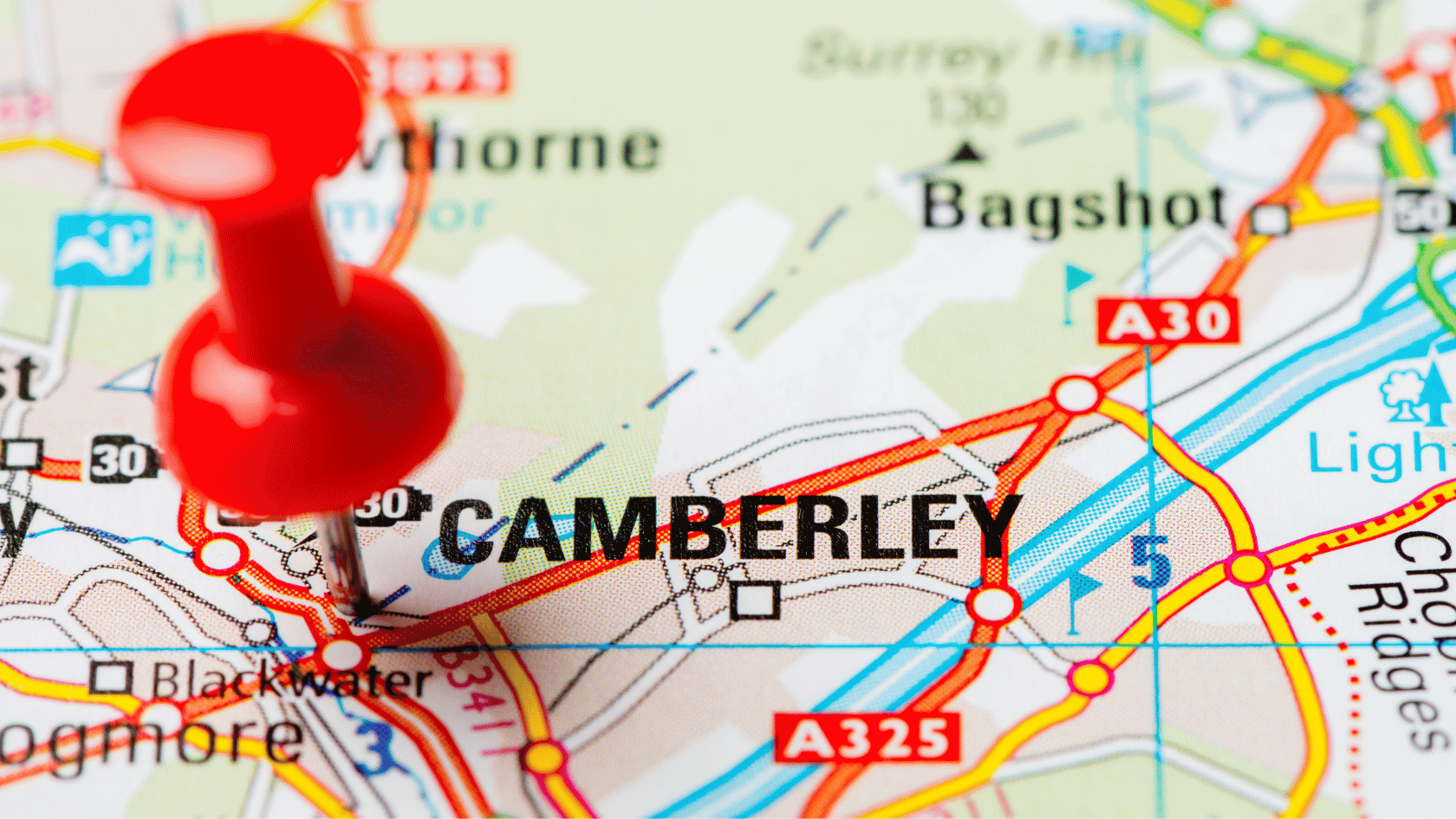
Camberley House Prices & Property Market Trends in 2026
This article takes a deep dive into Rightmove and Land Registry data to present an overview of the health of the Camberley property market as things stand in May 2026, exploring the latest and historical statistics, Camberley house prices and the volume of transactions.

Wellingtons Property Edit - April
Welcome to our April edition of The Wellingtons Property Edit!
This is syndicated from our monthly newsletter - sign up on the website to get future Edits delivered straight to your inbox.

Is now the right time to buy or sell?
The Spring bounce has arrived in the UK property market, despite a backdrop of economic uncertainty. So, “is now the right time to buy or sell?” This is the question many buyers and homeowners are asking - and it is one we answer in this blog.

Wellingtons Property Edit - March 2026
Welcome to our March edition of The Wellingtons Property Edit!
This is syndicated from our monthly newsletter so make sure you sign up on the website to get future Edits delivered to your inbox.
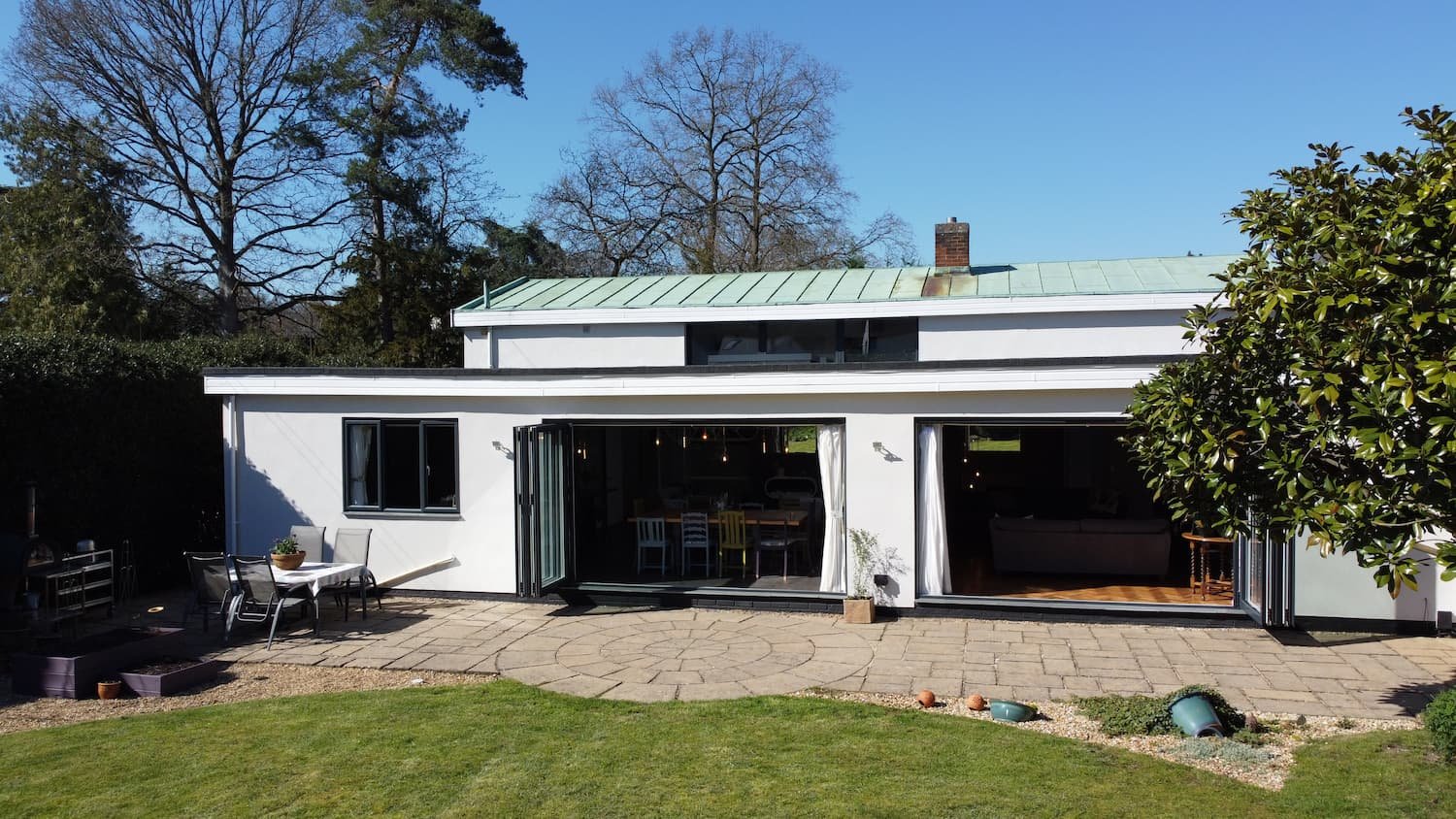
Why unique homes struggle to sell (and how to fix it)
Unique or distinctive homes aren’t always the easiest to sell. Most buyers want conventional modern living and a certain ‘look’. So, how do you sell them? I’ve used our sale of Sedum House on Camberley’s Portesberry Road as a case study to explain my approach.

15 things to do with the kids in Camberley (and nearby)
This blog offers local families and those looking to buy in Camberley a rundown of 15 of the most popular leisure facilities and best days out activities in the immediate area or close by.

Wellingtons Property Edit - February 2026
Welcome to our February edition of The Wellingtons Property Edit!
This is syndicated from our monthly newsletter so make sure you sign up on the website to get future Edits delivered to your inbox.
Why choose an independent estate agent?
This blog looks objectively at four reasons to consider an independent estate agent over their high street counterparts, revealing a compelling value-based argument...
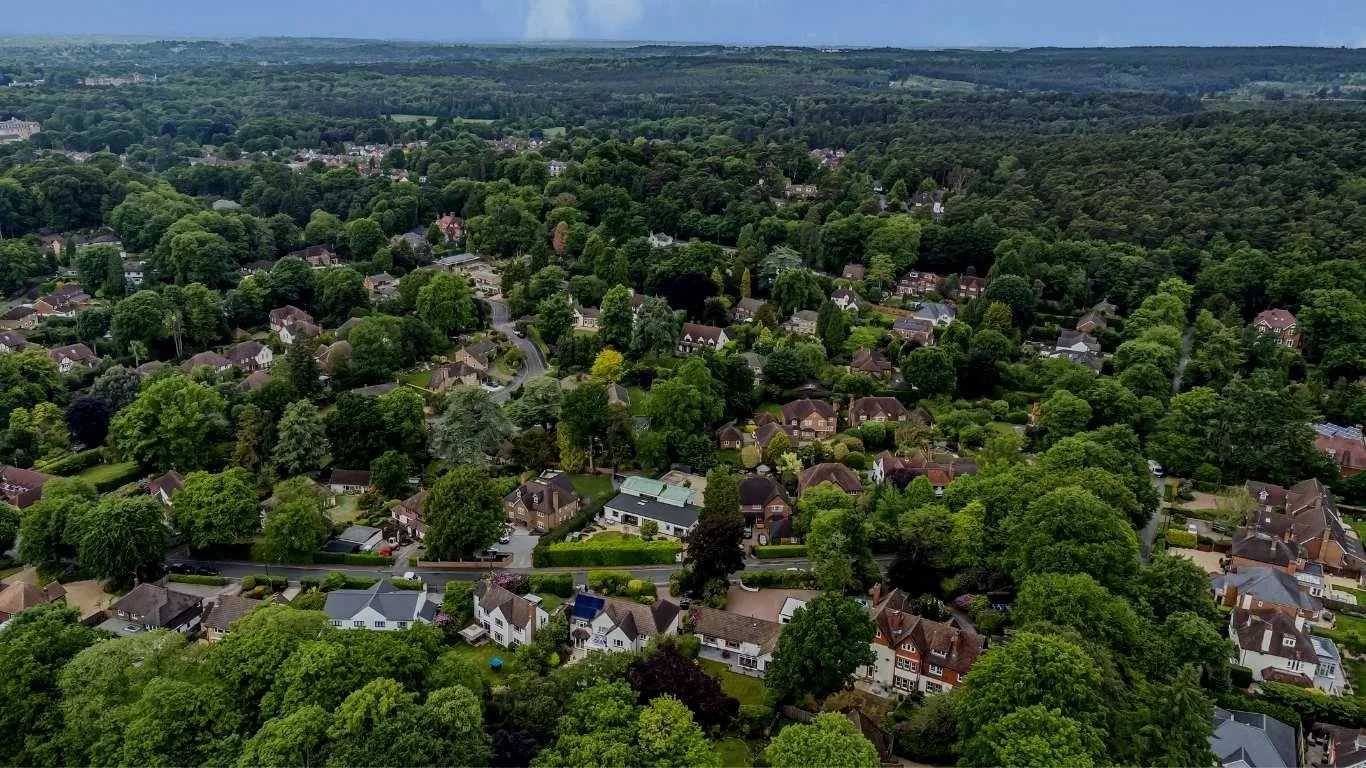
Wellingtons Property Edit - January 2026
Welcome to our January edition of The Wellingtons Property Edit!
This is syndicated from our monthly newsletter so, if you want to be first in line for this snapshot summary, sign up on the website and get it delivered to your inbox!

What UK Property Buyers Really Want in 2026
This blog explores what UK buyers really want from prospective new homes in 2026, listing the five most desirable features and trends.

2026 Housing Market: What the Budget Means for Homebuyers & Sellers
This blog looks at how the Autumn Budget will impact the 2026 UK housing market for both home sellers and buyers, highlighting six predications on key trends and house prices.
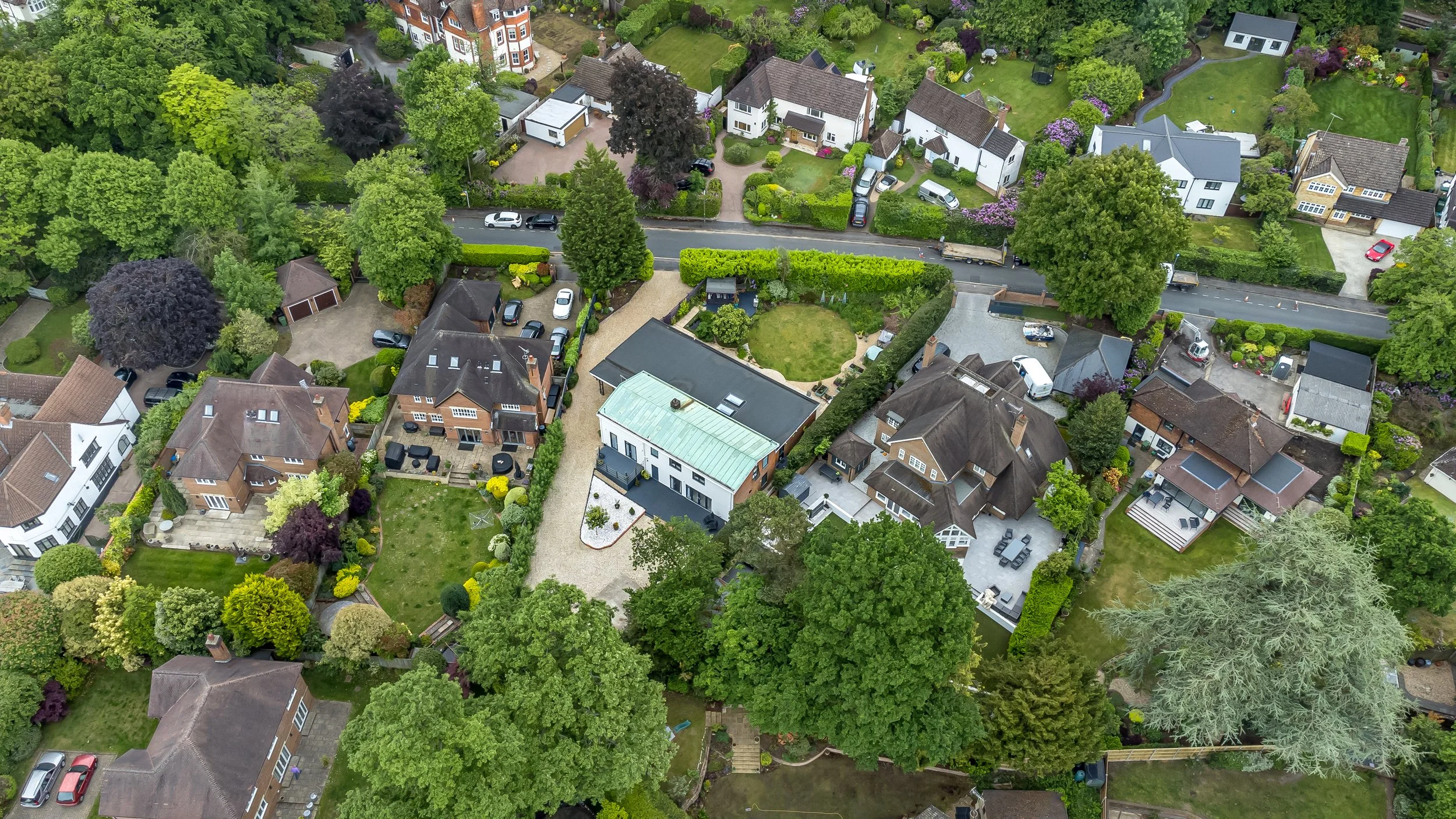
Housing Market Snapshot: The Picture Now and a Look Ahead
This article summarises the latest trends and performance in the UK nationally and Surrey housing markets using October 2025 data from Rightmove and Zoopla property experts, along with a forecast for the next six months.

How the Housing Market is Changing (and What it Means for High Street Estate Agents)
The UK housing market never stands still – and in the last few years the pace of change has accelerated dramatically. This blog explores what’s driving these changes, why the traditional model leaves sellers short-changed, and what you should look for from an estate agent in today’s digital-first marketplace.
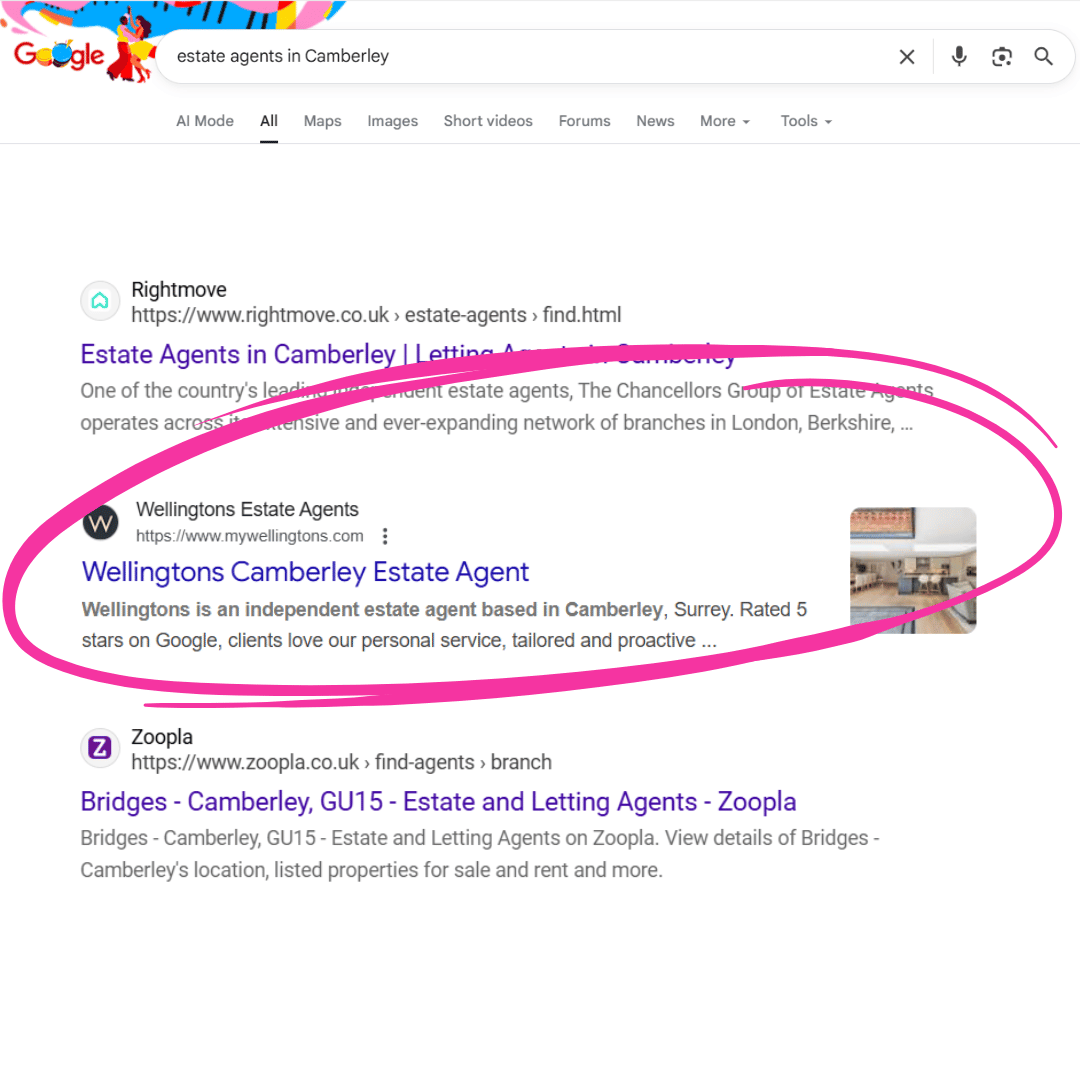
Choosing Estate Agents in Camberley
Selling your home is a big decision. And naturally, picking the right estate agent is a similarly important choice. There’s plenty of estate agents in Camberley to chose from and this article will provide you with some key considerations, criteria, and good questions to ask prospective estate agents.

September Property Market Update | Surrey Heath & Berkshire Property Sellers
The Surrey Heath property market is steady this September, with mortgage rates easing and buyer activity picking up again. For sellers hoping to move before Christmas, getting your presentation and pricing right will make all the difference.

6 of the Best Parks & Green Spaces in Surrey Heath
Surrey Heath is bursting with green spaces that locals (and soon-to-be locals) absolutely love. Here we’ve rounded up six of our favourite spots that showcase the best of Surrey Heath’s great outdoors.

What Buyers Are Really Looking For in Surrey Homes in 2025
Wondering what today’s buyers really want in Surrey and Berkshire homes? From light-filled flexible spaces to private gardens and energy efficiency, discover the key features that make your home stand out in 2025’s market — plus expert tips to help you sell with confidence.

5 Things to do before you market your home
To stand the best chance of selling your home – and to do so quickly and for the highest price – presentation is important. At any given time, there are many other properties vying for the attention of prospective buyers. First impressions really matter, particularly in a buyer’s market such as we have right now.

UK Housing Market Update – June 2025
As we approach the midway point of the year, here we explore the latest UK property market trends, mortgage rate updates, leasehold reforms, and buyer insights in our June 2025 housing market update.